
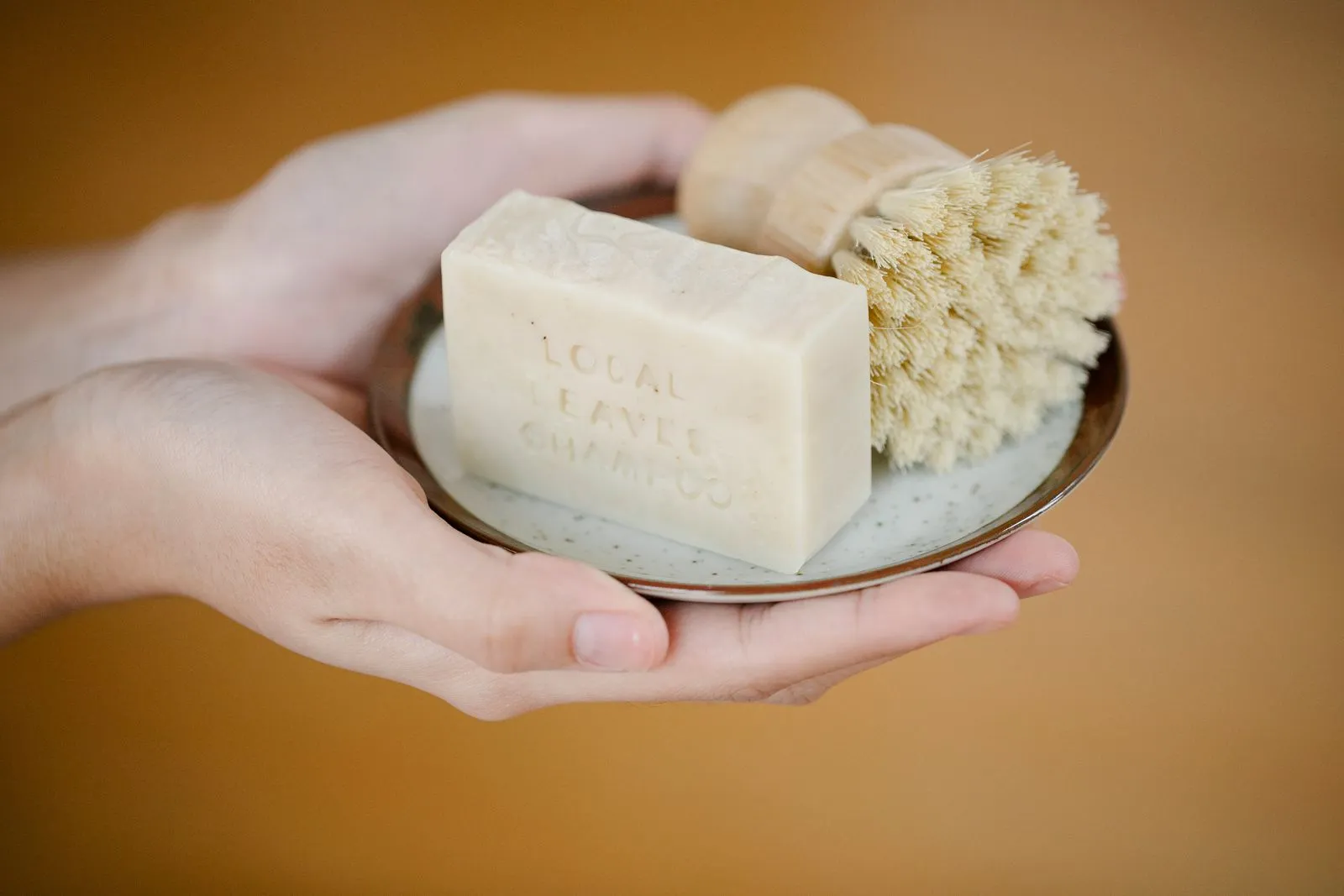
Choosing an unscented soap sounds simple: pick a bar without a scent and head to the sink. But labels can use terms like “fragrance-free” or list ingredients that still have a natural aroma. A little label-reading helps you find a bar without added scent and decide whether its ingredients suit your routine. Here’s what to check, what to keep in perspective, and how to try a new soap without turning your bathroom shelf into a chemistry lab.
Check the Fragrance Label
Start with the ingredient list, not just the front of the package. Look for terms such as “fragrance,” “parfum,” or “perfume,” which can indicate added scent. Also check for essential oils, such as lavender or citrus oils, if you want to avoid scented ingredients. A soap labeled unscented may have no added fragrance, but its base ingredients can still have a mild natural smell.
“Unscented” and “fragrance-free” are useful clues, not a substitute for reading the full label. Product wording and ingredient lists can vary, so check the bar itself rather than relying on a familiar brand name or a package color. If you have a known sensitivity, compare the ingredients with products you already tolerate and ask the maker about anything unclear.
Understand the Ingredients
Soap bars commonly list oils or fats along with ingredients used to make soap, such as sodium hydroxide. In properly made soap, sodium hydroxide reacts with oils during production; its presence on an ingredient list does not by itself mean the finished bar is caustic. A clear, complete ingredient list is more useful than claims that sound technical or promise a specific skin result.
Look for added ingredients that matter to you, including colorants, exfoliating particles, or plant extracts. “Natural” does not automatically mean gentle, and “unscented” does not mean every ingredient will suit every person. If you have very sensitive skin or a skin condition, a clinician can help you identify ingredients to avoid.
Choose a Bar for Daily Use
For everyday washing, choose a straightforward bar that rinses clean and feels comfortable on your skin. A bar with no added fragrance and few extras can make it easier to identify what works for you. If your hands or body feel tight or irritated after washing, switch products and consider whether frequent washing, hot water, or other products may also be contributing.
Think about where and how you will use the soap. A handwashing bar may need to stand up to frequent use, while a body bar should feel comfortable over the areas you wash. Avoid assuming that one bar is right for every person or every part of the body. Keep it dry between uses so it lasts longer and does not sit in a puddle.
Try It With Care
When testing a new soap, use it on a small area first and pay attention to how your skin responds. Stop using it if you notice persistent discomfort, redness, or itching. A small-area trial cannot guarantee that a product will never cause a reaction, but it can help you approach a new ingredient list cautiously.
Keep the package or take a photo of the ingredients so you can compare products later. Change one product at a time when possible; that makes it easier to spot what may be bothering your skin. If a reaction is severe or does not improve after you stop using the soap, seek medical advice.
The best unscented soap for everyday use is one with a clear ingredient list, no added fragrance you want to avoid, and a feel your skin tolerates. Read beyond the front label, start with a simple bar, and pay attention to your skin. Bare Lather can help you explore unscented options for your daily routine.